
-
Easy Salsa Bean Shakshuka
SERVINGS: 2 PREPPING TIME: 5 MINS COOK TIME: 20 MINS
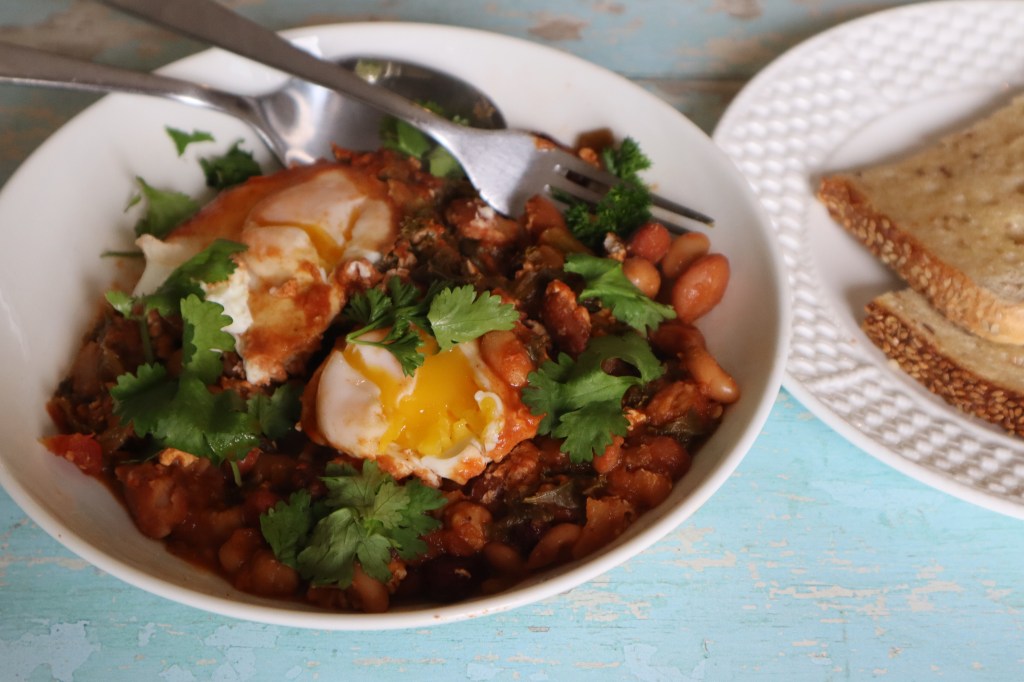
Shakshuka is a vibrant and comforting dish with deep roots in North African and Middle Eastern cuisine, celebrated for its rich flavours, simplicity, and communal nature. It has become a beloved dish worldwide, traditionally made with eggs poached in a spiced tomato and pepper sauce. This quick version, made with salsa and beans, offers a high-fibre twist that’s perfect for busy mornings.
Ingredients
1 X 300g cans Four Bean Mix
300g Tomato Salsa, chunky
Tsp avocado oil
Tsp EACH Cumin & Paprika,
1/2 tsp Chili Flakes
Salt and Pepper to taste
4 Large leaves Kale (40g),
4 Cage Free Eggs (236g)
2 Slices Sourdough (80g)
1 Tablespoon Extra Virgin Olive Oil (10g)Method
Add the avocado oil and spices to a deep frying pan over medium heat. stir 30 seconds.
Add the beans, salsa, kale and 1 cup of water, cook, stirring occasionally, for 15 minutes or
until the kale wilts and the mixture reduces slightly. Season to taste.
Using the back of a large knife or spoon, make four wells in the mixture.
Crack an egg into each well, being careful not to break the yolk. Cook, untouched, for 5 minutes or until the egg whites are set and the yolks still runny.Spread each slice of sourdough with 1/2 tbsp Extra Virgin Olive Oil and grill in a hot pan; serve the grilled bread with the Shaksuka.
-
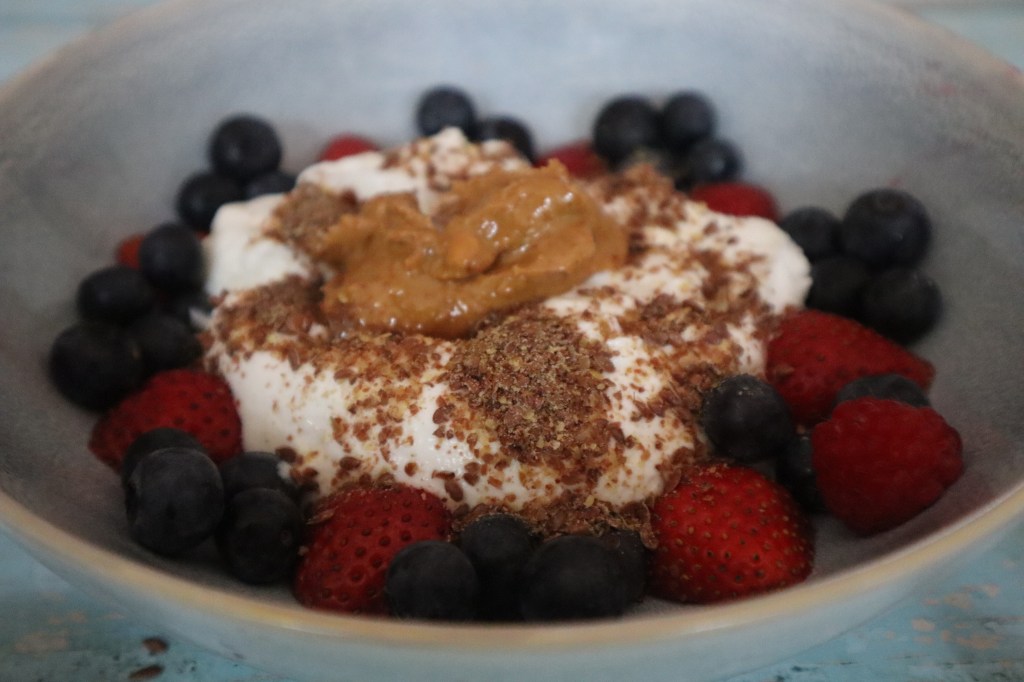
PB & J Breakfast Bowl
Ingredients:
¾ cup plain Greek yogurt
1 tablespoon peanut butter
1 tablespoon ground flaxseeds or chia seeds
½ cup fresh or frozen mixed berriesInstructions:
1. In a bowl, thoroughly mix the Greek yogurt, peanut butter, and ground flaxseeds (or chia seeds).
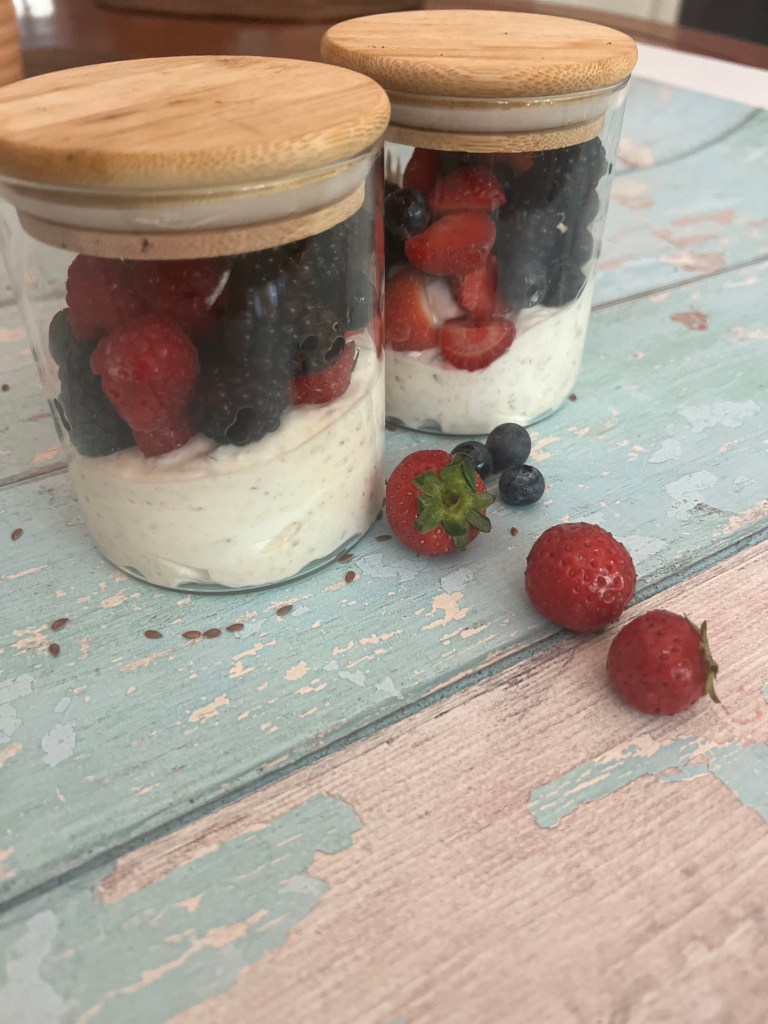
2. Layer the mixture into jars or containers.
3. Top with mixed berries.
4. Refrigerate until ready to eat.
5. Enjoy!Tip: This super simple recipe is a great high-protein and high-fibre grab-and-go breakfast staple.
-
Pumpkin Spice Pancakes
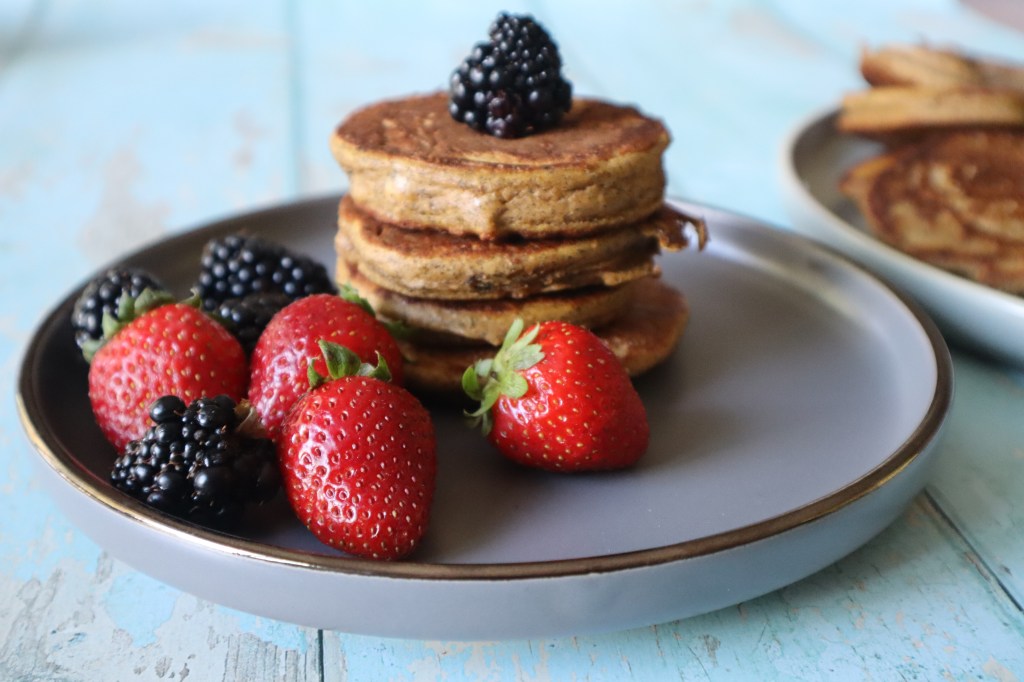
Pumpkin Spice Pancakes 🎃
Pancakes don’t often feature as high nutrient foods however these Pumpkin Spice Pancakes packed with nutrients and do not have added sugars or fats that many pancakes do. They offer dietary fiber from the buckwheat flour, substantial protein from cottage cheese and egg whites and the pumpkin puree adds vitamins and minerals and antioxidantsIngredients:
1/2 cup (125 ml) buckwheat flour
1/2 cup (125 ml) all-purpose flour
1 cup (250 ml) pumpkin puree (not pumpkin pie filling)
1 cup (250 ml) cottage cheese
1/2 cup (125 ml) egg whites
1 tsp apple cider vinegar (or lemon juice)
1 tsp baking soda
2 teaspoons (10 ml) vanilla extract
2 teaspoons (10 ml) pumpkin pie spice
Avocado or Olive Oil Cooking spray to cookDirections :
Add all pancake ingredients to a blender and blend until smooth.
Heat a fry pan then spray with oil of choice.
Once the pan is hot, pour 1/4 cup portions of the pancake batter onto the pan.
Use the back of a spoon to spread the batter into a circular shape if needed.
Cook the pancakes until bubbles form on the surface and the edges look set, usually about 2-3 minutes.
Flip and Continue Cooking use a knife or your spatula to create an air vent by pressing into the centre of the pancake which will allow for even cooking.
Cook an additional 2-3 mins until both sides are golden and the pancakes are cooked through.
Remove the pancakes from the pan and keep them warm. You can keep them in an oven set to a low temperature (around 200°F or 95°C) while you cook the remaining pancakes.
Serve with fresh berries and a drizzle of maple syrup – enjoy! -
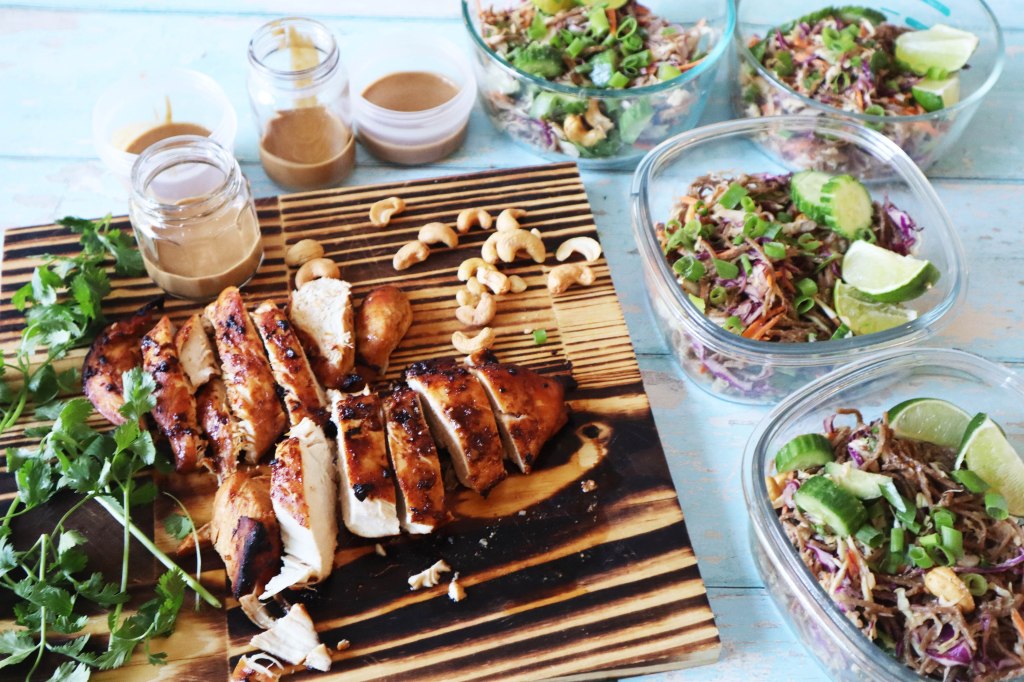
Ginger-Sesame Chicken Noodle Salad

Salad Mix
2 cups finely shredded green cabbage (½ head)
2 cups finely shredded red cabbage (½ head)
2 cups carrots trimmed into julienne strips (2 -3 large carrots)
1 cucumber cut into half moons
12 ounces of whole wheat spaghetti
6 green onions
½ cup cilantro
¼ cup toasted sesame seeds
¼ cup cashews or nut of choiceDressing
¼ cup soy sauce
¼ cup chinese black vinegar
⅓ cup toasted sesame oil
3 tablespoon grated ginger
1 tbsp minced garlic
3 tbsp brown sugar
1 tbsp sriracha
1 tbsp lime juiceChicken Marinade
3 Large boneless, skinless chicken breasts
1/4 cup soy sauce
3 cloves garlic, minced
2 tablespoons sriracha sauce (adjust for spiciness)
2 tablespoons honey
1 tablespoon olive oil
1 teaspoon sesame oil
1 teaspoon grated fresh ginger
1/2 teaspoon black pepperChicken Instructions:
Prepare the Marinade: In a bowl, whisk together the soy sauce, minced garlic, sriracha sauce, honey, olive oil, sesame oil, grated ginger, and black pepper.Place the chicken breasts or thighs in a zip-top plastic bag or a shallow dish. Pour the marinade over the chicken, making sure it’s well-coated. Seal the bag or cover the dish with plastic wrap and refrigerate for at least 30 minutes to allow the flavours to penetrate the chicken. For best results, marinate for 2-4 hours or overnight.
Preheat your oven or air-fryer 200°C/ to 400°F or preheat your oven to 375°F (190°C)
Bake or Air Fry or until the chicken reaches an internal temperature of 74°C/165°F and is cooked through. (20-25 mins) In the last 5 mins of cooking baste with any remaining marinade for extra flavour then discard any remaining marinade that has come into contact with raw chicken.Once the chicken is cooked through, remove it from the fryer or oven. Let it rest for a few minutes before slicing.
Ginger Sesame Noodle Salad:
Cook the whole wheat spaghetti according to the package instructions. Drain and rinse with cold water to stop the cooking process. Set aside.
Use a mandoline to finely chop your green and red cabbage
Use a julienne peeler to slice your carrots or cut into fine matchsticks with a knife
Slice the cucumber lengthwise then into half moons
Finely chop your green onion
Combine the cabbage, carrots, red pepper and green onion in a large bowl and mix well.
In a separate bowl, whisk together the ingredients for the dressing.
Pour the dressing over the salad ingredients and toss well to combine.
Add the cooked and cooled whole wheat spaghetti to the salad mixture and toss until everything is well coated with the dressing. Top with sesame seeds cashews and cilantro.
Slice the cooked chicken into thin strips.
Garnish with additional green onions and sesame seeds if desired.This recipe works well for meal prep and will last up to 4 days refrigerated. Divide the salad undressed into containers, top with coriander, nuts and seeds and lime wedges. Divide the dressing into small jars/containers.
When ready to eat squeeze lime over the salad and add the dressing. -
Indonesian Style Chicken Gado Gado Salad
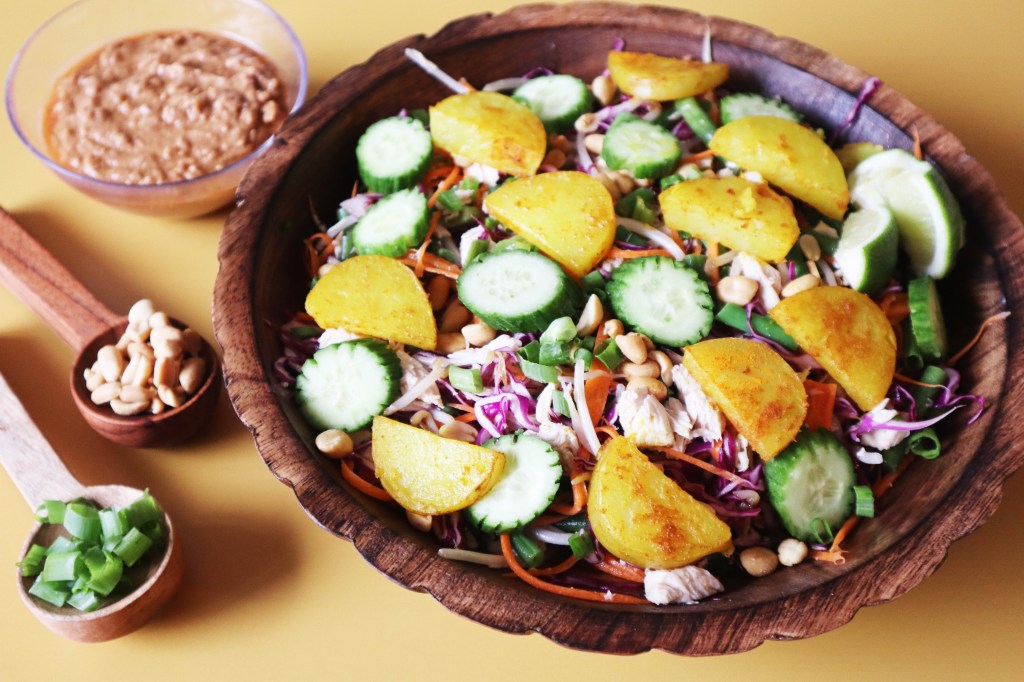
While this salad involves several steps, they are straightforward, and the end result is well worth the effort. A salad meal to impress.
Serves 6
Prep time 40 mins
Cook time 40 minsSalad
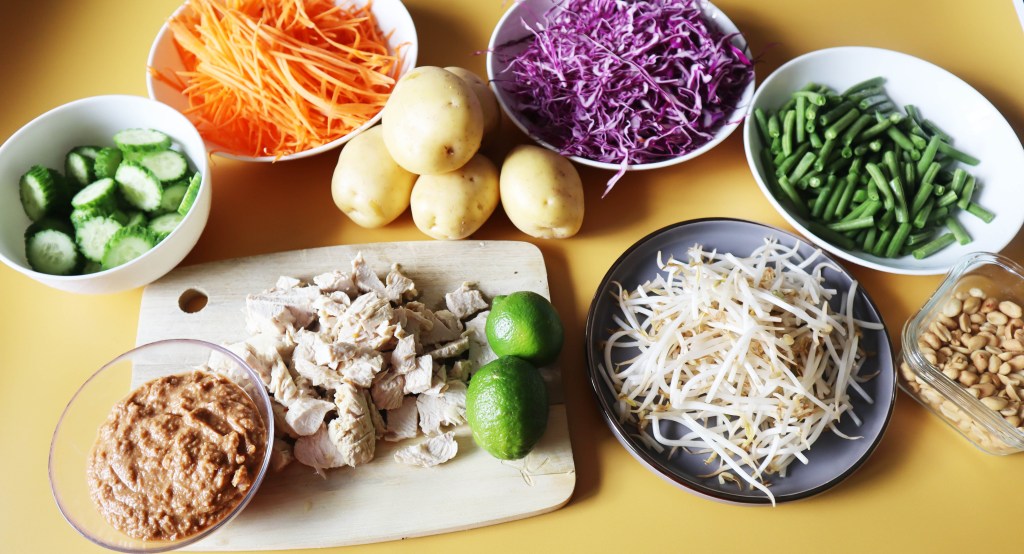
400g green beans
half head each of red & green cabbage
2 cups of bean sprouts
2 large carrots julienned
3 green onions
4 mini cucumbers halved and sliced
2 tbsp sesame oil
2 tbsp Lime juice
2 tsp cumin
¼ cup roasted peanutsCrispy Turmeric Potatoes
300g fingerling or new potatoes
1 tbsp olive oi
1 tbsp turmericPoached Chicken
2 large chicken breasts
3 cups chicken stock
1 lemon, sliced
2-3 bay leaves
1 tbsp whole black peppercornsCrispy Turmeric Potatoes
300g fingerling or new potatoes
1 tbsp olive oi
1 tbsp turmeric
Directions:
1. Combine all the spicy peanut sauce ingredients and blend or whisk until smooth. Set aside.2. Bring a large pot of water to boil. Add the potatoes and cook until tender when pierced with a knife (about 12-15 mins) Drain the potatoes and set aside (to make crispy turmeric potatoes later)
3. In a separate pot, poach the chicken: Combine stock, lemon slices, bay leaves, and peppercorns. Bring to a gentle simmer over medium-high heat, ensuring the chicken breasts are fully submerged. Cook with a lid on for 15-20 minutes or until the chicken is cooked through (white throughout with no pink). Allow the chicken to cool, then finely chop or shred.4. Trim the beans and add them to a bowl with ¼ cup water and microwave for 3 minutes. Rinse in cold water to prevent further cooking and set aside.
5. Use a mandoline or sharp knife and finely shred the red and green cabbage.
6. Use a julienne peeler or sharp knife to shred the carrots.
7. Wash and drain the sprouts.
8. Finely chop the green onions.
9. Combine the cabbage, carrots, green onions, sprouts, and the cooled green beans in a large bowl. Combine the sesame oil, lime juice and cumin and mix into the salad thoroughly.
10. Slice the cucumbers lengthways then into half moons set aside.
11. Make the Crispy turmeric potatoes
Preheat the Air Fryer: Preheat your air fryer to 375°F (190°C) for about 5 minutes while you prepare the potatoes
Slice the previously boiled potatoes evenly into rounds or half moons.
In a large bowl, combine the olive oil and potatoes then sprinkle the potatoes with turmeric – mix until evenly coated with turmeric.
Line your air fryer basket with parchment paper.
Place the seasoned potato slices in a single layer in the air fryer basket. Do not overcrowd the basket to ensure that the potatoes get crispy.
Air fry the potatoes at 375°F (190°C) for about 20-25 minutes, turning once halfway through, cook until the potatoes are golden brown and crispy on the outside.12. Top the slaw with the cucumber slices and crispy turmeric potatoes, and roasted peanuts.
Serve with spicy coconut peanut sauce.
-
Fibre – why you need it
Protein often steals the limelight in discussions about health and vital dietary elements. While protein is undeniably a critical macronutrient, the importance of dietary fibre is often overlooked. Fibre plays a substantial role in upholding a healthy diet and is an unsung hero for overall health.
Dietary fibre consists of material derived from plant cells that is resistant to enzymatic breakdown within the human digestive system. There are two significant categories of fibre: water-soluble and water-insoluble, each possessing distinct properties and characteristics.
- Soluble Fibre: This type of fibre dissolves in water and forms a gel-like substance in the digestive tract. It can help lower cholesterol levels and regulate blood sugar levels. Foods rich in soluble fibre include oats, beans, lentils, apples, and citrus fruits.
- Insoluble Fibre: Insoluble fibre does not dissolve in water and adds bulk to the stool, helping to prevent constipation and promote regular bowel movements. It also supports digestive health. Common sources of insoluble fibre include whole wheat, bran, nuts, and many vegetables.
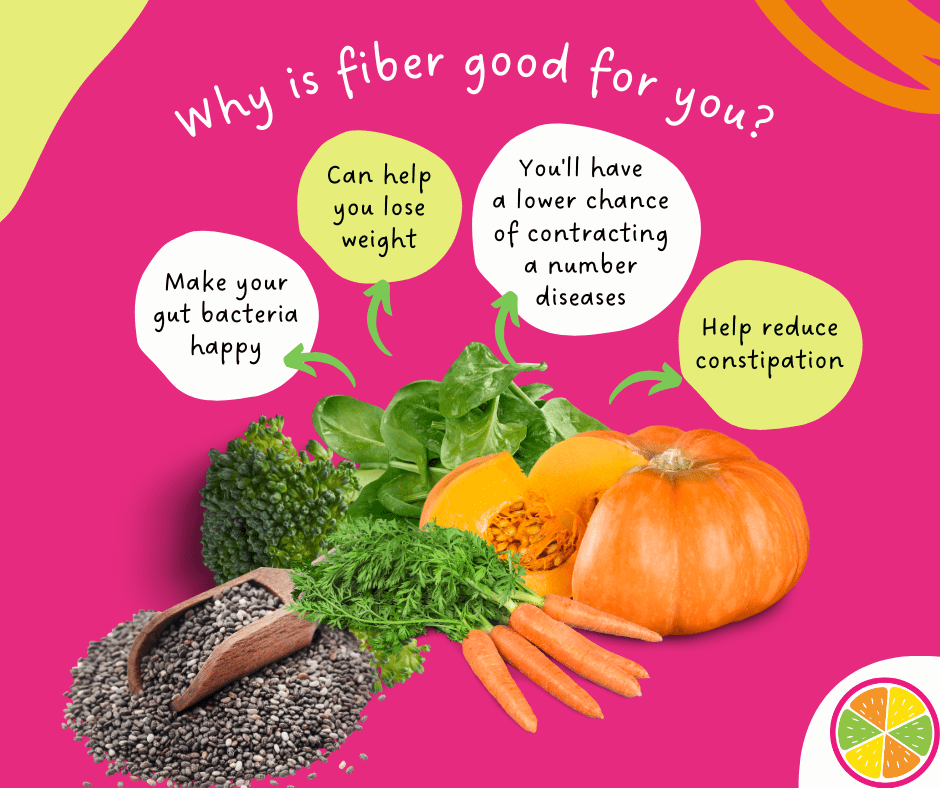
Fibre has several health benefits, including:
1. Aids Digestion: Fibre plays a crucial role in keeping our digestive system happy and healthy. It adds bulk to our stool, promoting regular bowel movements and preventing constipation. By keeping things moving smoothly, fibre supports a healthy gut.2. Controls Blood Sugar Levels: Fibre helps slow down the digestion and absorption of carbohydrates, preventing sudden spikes in blood sugar levels. Including fibre-rich foods in your meals can help maintain a steady and balanced release of glucose into your bloodstream.
3. Promotes Heart Health: Fibre works wonders for our cardiovascular system. It helps lower LDL (bad) cholesterol levels, reducing the risk of heart disease and stroke. By maintaining healthy cholesterol levels, fibre contributes to a healthier heart and blood vessels.
4. Aids Weight Management: High-fibre foods are often low in calories but high in volume, making you feel fuller for longer periods. By adding bulk to your meals without adding excess calories, fibre helps control appetite and supports healthy weight management.
5. Enhances Gut Health: Probiotics (good bacteria) thrive on dietary fibre. By nourishing them, fibre promotes a balanced and diverse gut microbiome, essential for overall gut health and a robust immune system.
Women need 25 grams of fibre per day and men need 38 grams of fibre per day. Most people are only getting about half that much.
Click here to download my chart of high fibre foods to help you add more fibre in your diet.
- Soluble Fibre: This type of fibre dissolves in water and forms a gel-like substance in the digestive tract. It can help lower cholesterol levels and regulate blood sugar levels. Foods rich in soluble fibre include oats, beans, lentils, apples, and citrus fruits.
-
Uncle J’s Umami Chili
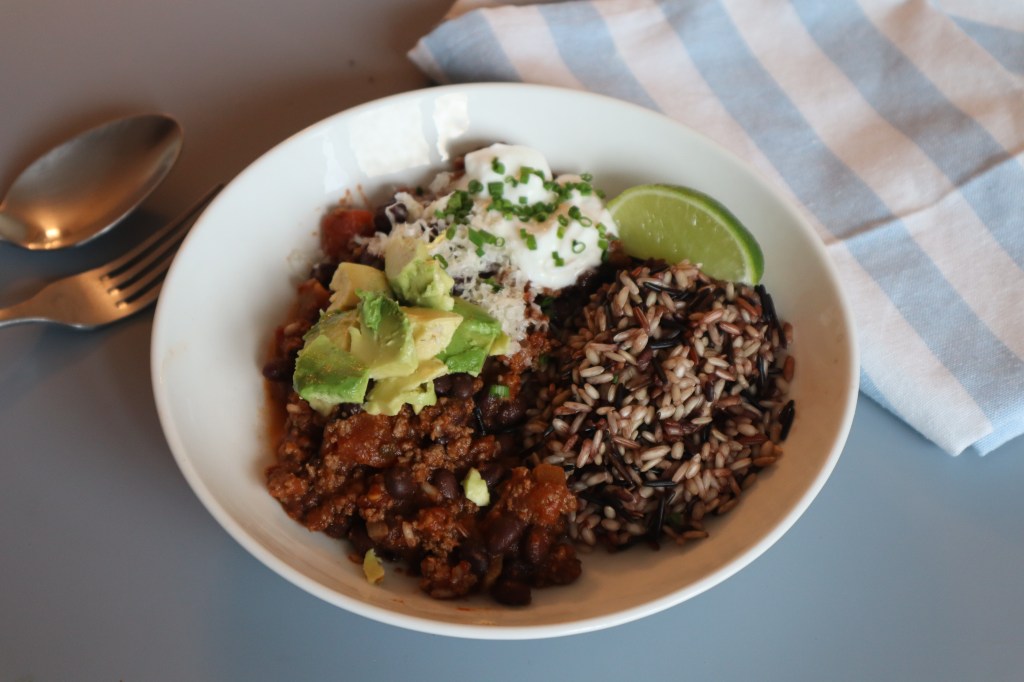
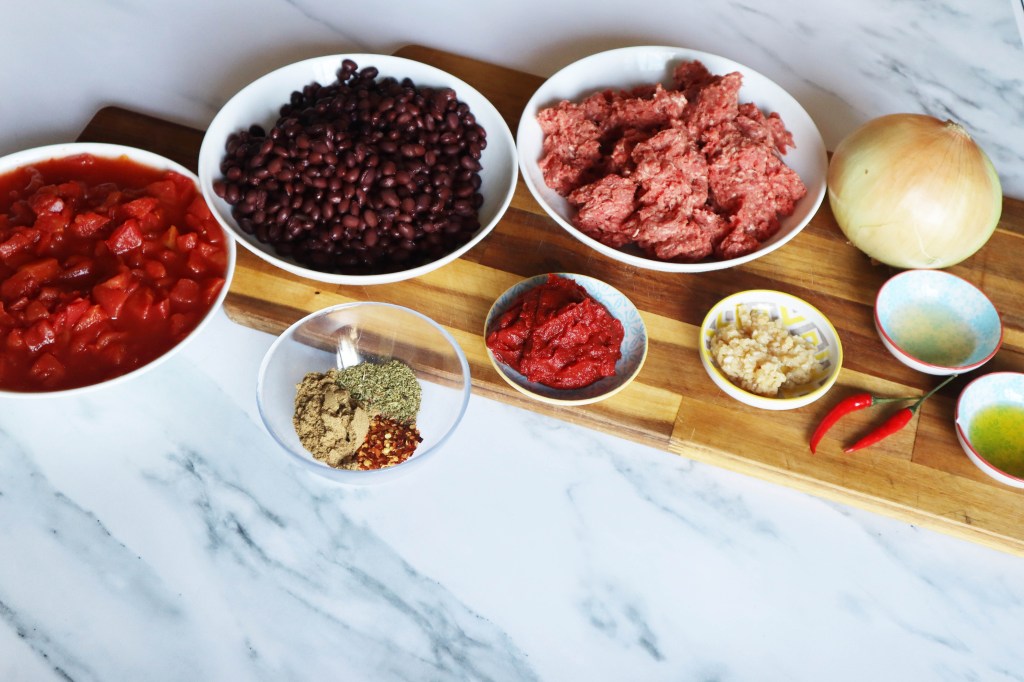
Chili Ingredients Umami Chicken Stock Mixture: 1 lb/450g ground beef
1 medium onion , diced
4 garlic cloves , minced
2 cans (540ml/19oz) red kidney beans
or black beans, drained and rinsed
3 tablespoons tomato paste
1 can (28oz) crushed tomatoes
1 – 2 tablespoons (8g – 16g) chili flakes
1 tablespoon cumin
1 teaspoon dried oregano
1 tablespoon olive oil
1 tablespoon apple cider vinegar
1 tbsp brown sugar
salt & pepper to taste
1 cup brown or wild rice
1 cup (250ml) unsalted chicken stock
2 tablespoons (30ml) fish sauce (can substitute with regular soy sauce)
1 tablespoon (15ml) regular soy sauce
1 teaspoon (2.5g) unsweetened cocoa powderDirections
- Heat 1 tablespoon of olive oil in a large soup pot over medium heat.
- Add the diced onion to the pot and sauté for approximately 5 minutes or until it becomes translucent.
- Add the ground beef to the pot, breaking it apart with a wooden spoon, and cook for about 6-7 minutes until it’s browned.
- While the meat is browning, combine 1 cup (250ml) of unsalted chicken stock, 2 tablespoons of fish sauce, 1 tablespoon of regular soy sauce, and 1 teaspoon of unsweetened cocoa powder in 500 ml measure cup. Set this stock mixture aside.
- Add minced garlic, cumin, dried oregano, and chili flakes to the browning beef, and mix well to incorporate the spices.
- Stir in the tomato paste, ensuring it’s evenly distributed in the meat mixture.
- Add the can of crushed tomatoes, drained and rinsed red kidney or black beans, and the previously prepared stock mixture to the pot. Mix everything well.
- Allow the chili to simmer for approximately 25-30 minutes, allowing the flavours to meld and the chili to thicken.
- Finally, add 1 tablespoon of apple cider vinegar, 1 tablespoon of brown sugar, and season with salt & pepper to taste.
For the rice
While chili is simmering, wash brown rice to remove excess starch.
Add one cup of brown rice with 1&1/4 cup water to a pot bring to a boil reduce heat and simmer on low for 25 mins until water has been absorbed and rice is tender.Serve Chili with brown or wild rice and your favourite toppings.
-
Collagen Supplements

Collagen is like our body’s glue, holding things together. It’s a protein made up of 1014 amino acids twisted into a triple helix structure. Think of it as tough ropes intertwined to create a solid framework for important stuff like skin and bones.
As we age, our collagen production slows down, leading to wrinkles and lines. That’s because there’s less of it to give our skin elasticity and support. Thinner skin becomes prone to tears, slower healing, and weakened protection.
For collagen supplements, go for “hydrolyzed” or “collagen peptides.” These are broken-down versions that enter your system quicker and work well because they’re smaller.
These supplements provide the amino acids our body needs to make new collagen. These amino acids, like glycine and proline, are collagen-building blocks. They’re absorbed into the bloodstream and used to create fresh collagen fibers.
Collagen does wonders for skin. It boosts strength, elasticity, and firmness. By having more collagen available, supplements can help maintain and enhance skin elasticity, reduce wrinkles, and keep you looking youthful.
Collagen supplements, especially the hydrolyzed kind, connect with fibroblasts – skin cells that produce collagen and elastin. This connection boosts collagen production, helping to keep your skin’s structure strong and natural.
There’s solid scientific proof backing collagen supplements. Studies consistently show that using hydrolyzed collagen improves skin hydration, elasticity, and reduces wrinkles. Check out this study: link to study.
When choosing a collagen supplement, focus on the price, actual collagen content, and cost per gram. Some might throw in extra stuff like vitamins, but prioritize collagen over pricey add-ons.
-
Too good to be true? How to navigate the world of supplements and “health” marketing.
The supplement industry is all about making profits, not necessarily about improving well-being. One big lesson from my first-year nutrition degree was the concept of “expensive pee.” Essentially, lots of supplements are ineffective and can even be harmful at worst. This really got under my skin because people who genuinely want to better their health are left wading through a mess of poorly regulated stuff, tons of false info, exaggerated promises, and research that’s often skewed due to money and powerful marketing.
A big warning sign is when nutritional info comes tied with discount codes or pushes to buy, there are, however, some supplements that genuinely help – so, how do you figure out what’s what?
Determining whether research is unbiased and trustworthy involves critically evaluating several key factors. Here’s a checklist to consider when assessing the credibility of research:
Source of Funding: Investigate who funded the research. Be cautious if the study is funded by a company that stands to benefit from positive results. Research funded by independent government agencies or non-profit organisations is generally considered more credible.
Conflict of Interest (COI): Look for any conflicts of interest declared by the authors. If the researchers have financial ties to companies related to the study’s subject, it could potentially influence the study’s outcomes.
Peer Review: Research that has undergone peer review has been evaluated by other experts in the field for its methodology, validity, and significance. Peer-reviewed studies are more likely to be reliable.
Study Design: Examine the study design. Well-designed randomised controlled trials (RCTs) are often considered more reliable because they can control variables and establish cause-and-effect relationships.
Sample Size: Larger sample sizes generally lead to more reliable results. Small studies can have significant limitations and might not be representative of the broader population.
Methodology: Evaluate the study’s methodology. Are the methods described clearly and in sufficient detail for replication? Flawed methodology can lead to biassed results.
Statistical Analysis: Check if the statistical analysis is appropriate and well-explained. Proper statistical methods are crucial for drawing accurate conclusions from data.
Peer Commentary: Look for subsequent studies or expert commentary that references and validates the findings. Repeated positive results from different research teams add to the credibility of a study’s findings.
Publication in Reputable Journals: Studies published in respected and reputable scientific journals are more likely to have undergone thorough review and scrutiny.
Transparency: Transparent reporting of the study’s methods, results, and limitations is a sign of credibility. If the study provides sufficient information for others to replicate the research, it’s more trustworthy.
Consistency with Existing Knowledge: Consider whether the study’s findings align with what is already known in the field. Outlandish or contradictory claims should be scrutinised more closely.
Biases and Limitations: Researchers should acknowledge biases and limitations in their work. An honest assessment of potential biases and limitations adds to the study’s credibility.
Citations: A well-researched paper should include references to existing literature that support the study’s context and rationale.
Remember that even high-quality research can have limitations, and scientific understanding evolves over time. It’s a good practice to consult multiple sources and consider the overall body of evidence on a topic rather than relying solely on a single study. If you’re unsure about interpreting research findings, seeking guidance from accredited experts or healthcare professionals.
If it sounds too good to be true it probably is….
-
Taco Salad
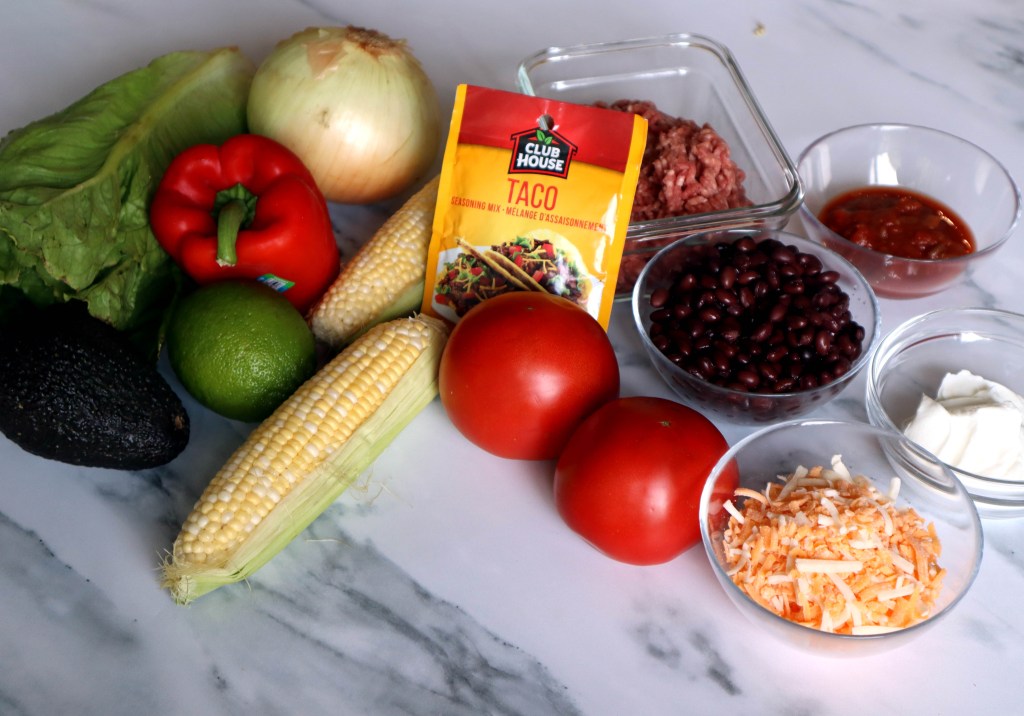
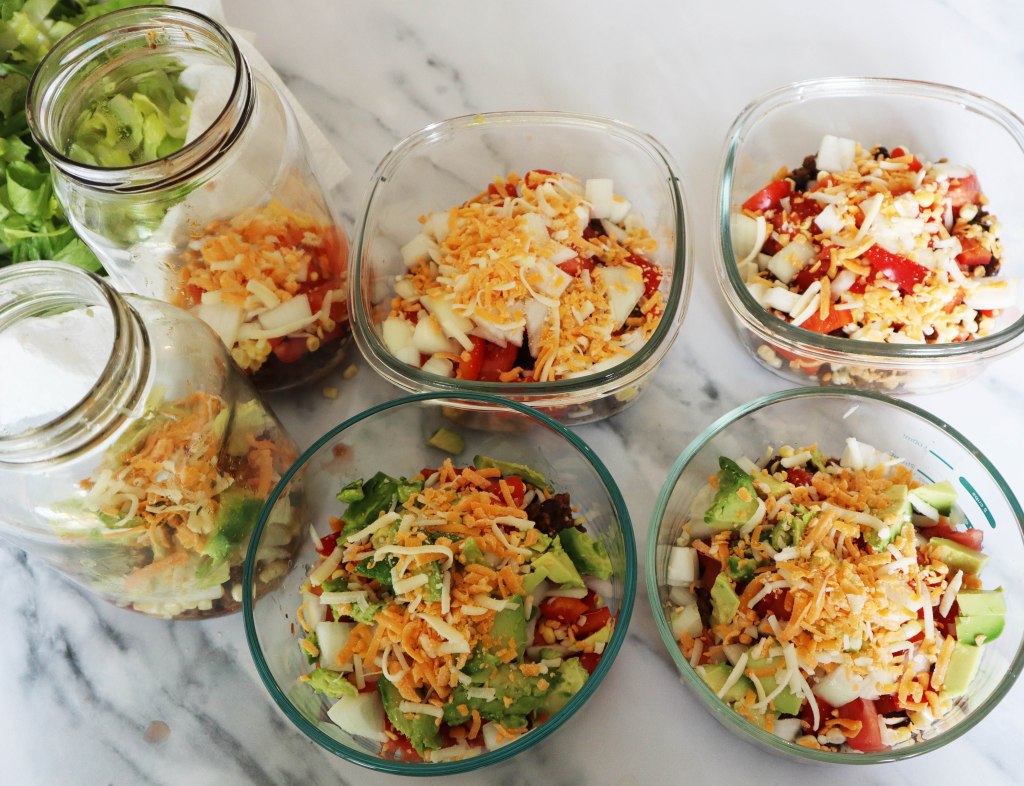

Taco Salad Bowls/Jars
Serves 6: Per serve 400 cals Fat 18g Carb 26g Protein 30g.
You can prepare and divide these salads either in jars or bowls. Personally, I find bowls more convenient since you can easily mix all the ingredients together and enjoy your meal directly from the bowl. On the other hand, if you choose to use jars, you’ll need to transfer the contents into a bowl before mixing the ingredients and eating.
Ingredients:400g beef, chicken, or turkey mince
1 can of black beans, rinsed and drained
1 packet of Taco seasoning
1 large head of Romaine lettuce
2 ears of corn on the cob (raw)
2 large tomatoes
1 sweet onion
1 red pepper
3 avocados
120g grated cheese
3 limes
6 tablespoons of salsa
6 tablespoons of plain Greek yogurt
Instructions:Prepare the Meat and Bean Mixture:
In a saucepan, brown the mince over medium heat until cooked through.
Drain excess fat from the mince.
Add the rinsed and drained black beans, taco seasoning, and 1 cup of water to the saucepan with the mince.
Cook the mixture while stirring occasionally until the water has evaporated and the flavors are well combined. Set aside.
Prepare the Corn and Red Pepper:Using a sharp knife, carefully cut the corn kernels from the cobs.
Dice the red pepper.
Combine the corn kernels and diced red pepper in a bowl and set aside.
Prepare the Vegetables:Dice the sweet onion.
Remove the ribs and core from the Romaine lettuce. Cut the leaves into ribbons, wash them thoroughly, and spin them dry.
Dice the tomatoes and set aside.
Make the Dressing:In a small bowl, mix the salsa and plain Greek yogurt to create a dressing. Set aside.
Assemble the Taco Salad in Jars:Begin layering the ingredients in 6 bowls or jars in the following order:
Start with 2 tablespoons of the prepared dressing at the bottom of each jar.
Add a layer of the beef and black bean mixture on top of the dressing.
Add diced tomatoes. The tomato juices will drain into the dressing, keeping the other ingredients crisp.
Follow with the corn and red pepper mixture.
Layer the diced sweet onion.
Add half of an avocado to each jar. Squeeze the juice of half a lime over the avocado to prevent browning and enhance freshness.
Sprinkle 20g of grated cheese over each jar.
Top the jars with sliced Romaine lettuce.
Seal and Serve:Securely seal the containers or jars with lids to keep the ingredients fresh.
When ready to serve, shake or gently mix the jar to distribute the dressing and flavours evenly, squeeze the lime wedge & Enjoy!
Note: You can customize the layers and ingredients according to your preference. These instructions provide a general guideline, but feel free to get creative with the order of ingredients or add additional toppings such as olives, jalapenos, or cilantro. My husband loves this salad but dislikes avocado so I do half the salads with and half without.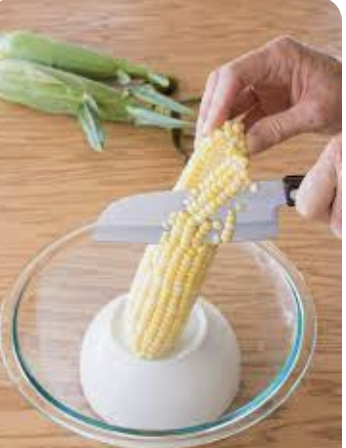
Tip for cutting corn from the cob place an inverted small bowl inside a larger bowl and prop the corn on the small bowl and cut downwards allowing the large bowl to catch the kernels.
 Good Food & Good Times