
Protein often steals the limelight in discussions about health and vital dietary elements. While protein is undeniably a critical macronutrient, the importance of dietary fibre is often overlooked. Fibre plays a substantial role in upholding a healthy diet and is an unsung hero for overall health.
Dietary fibre consists of material derived from plant cells that is resistant to enzymatic breakdown within the human digestive system. There are two significant categories of fibre: water-soluble and water-insoluble, each possessing distinct properties and characteristics.
- Soluble Fibre: This type of fibre dissolves in water and forms a gel-like substance in the digestive tract. It can help lower cholesterol levels and regulate blood sugar levels. Foods rich in soluble fibre include oats, beans, lentils, apples, and citrus fruits.
- Insoluble Fibre: Insoluble fibre does not dissolve in water and adds bulk to the stool, helping to prevent constipation and promote regular bowel movements. It also supports digestive health. Common sources of insoluble fibre include whole wheat, bran, nuts, and many vegetables.
Fibre has several health benefits, including:
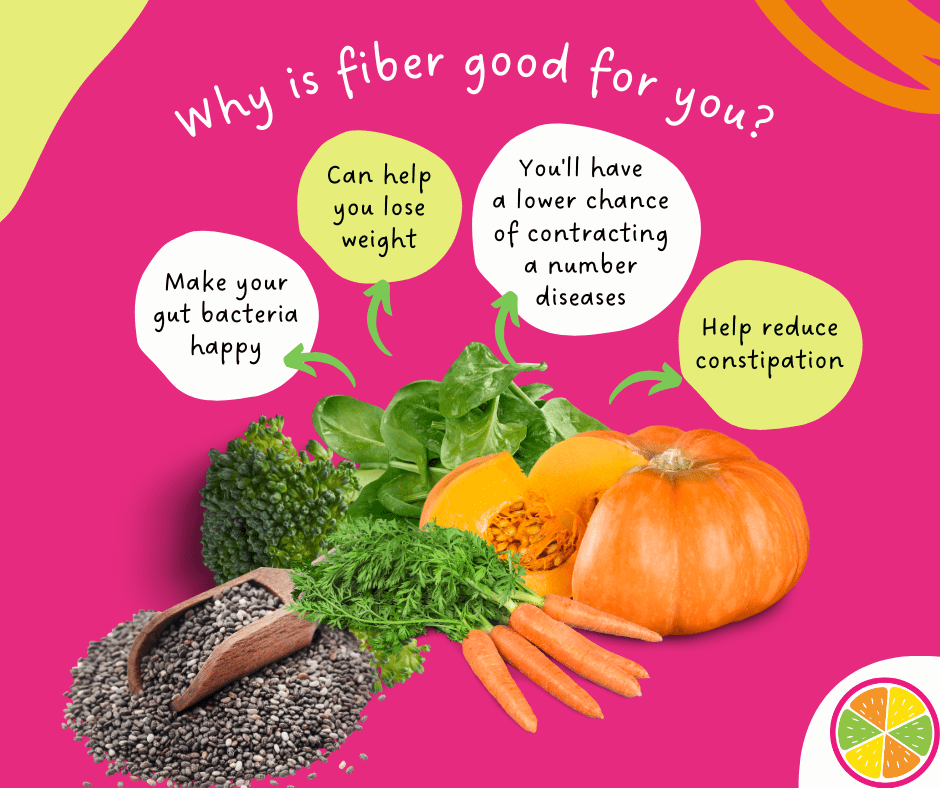
1. Aids Digestion: Fibre plays a crucial role in keeping our digestive system happy and healthy. It adds bulk to our stool, promoting regular bowel movements and preventing constipation. By keeping things moving smoothly, fibre supports a healthy gut.
2. Controls Blood Sugar Levels: Fibre helps slow down the digestion and absorption of carbohydrates, preventing sudden spikes in blood sugar levels. Including fibre-rich foods in your meals can help maintain a steady and balanced release of glucose into your bloodstream.
3. Promotes Heart Health: Fibre works wonders for our cardiovascular system. It helps lower LDL (bad) cholesterol levels, reducing the risk of heart disease and stroke. By maintaining healthy cholesterol levels, fibre contributes to a healthier heart and blood vessels.
4. Aids Weight Management: High-fibre foods are often low in calories but high in volume, making you feel fuller for longer periods. By adding bulk to your meals without adding excess calories, fibre helps control appetite and supports healthy weight management.
5. Enhances Gut Health: Probiotics (good bacteria) thrive on dietary fibre. By nourishing them, fibre promotes a balanced and diverse gut microbiome, essential for overall gut health and a robust immune system.
Women need 25 grams of fibre per day and men need 38 grams of fibre per day. Most people are only getting about half that much.
Click here to download my chart of high fibre foods to help you add more fibre in your diet.
 Good Food & Good Times